Brampton food safety and professional sanitation experts help you keep restaurants, commissaries, bakeries, warehouses, and mobile food operations clean to code. They disinfect high-touch points, food preparation areas, equipment, floors, drains, restrooms, and food prep areas using certified sanitizers, proper concentration, and verified exposure periods. in maintaining dining venues, food supply centers, baking operations, warehouses, and food service units in compliance. They sanitize frequently touched areas, food-contact surfaces, equipment, floors, drains, restrooms, and prep areas with approved chemicals, proper dilution, and recorded contact times.
Important Highlights
- Sanitation experts from Brampton service restaurants, grocery departments, commissaries, warehouses, bakeries, schools, mobile vendors, and allergen-sensitive operations.
- Frequently contacted areas, food-contact equipment, kitchens, floors, drains, restrooms, and storage areas are cleaned using sectional methods to avoid cross-contamination.
- Recording of conclusion through samples, audits, and action records confirms qualified vendors have validated approved sanitizer dilution, suitability, and contact time.
- Regular, recurring, and seasonal activities assigned by location comprise hygiene timelines grounded on hazard, throughput, transitions, releases, and requirements.
- Liability, colour-coded instruments, hazard analysis knowledge, public-health knowledge, WHMIS instruction, testimonials, and compliance-ready cleaning paperwork are critical provider attributes.
Which Brampton Establishments Need Food Safety Cleaning?
You must follow food safety cleaning if your facility is subject to health inspections, food codes, or HACCP protocols. This covers dining establishments, employee cafes, distribution hubs, market sections, meat shops, fish stands, retail outlets, and food service kitchens.
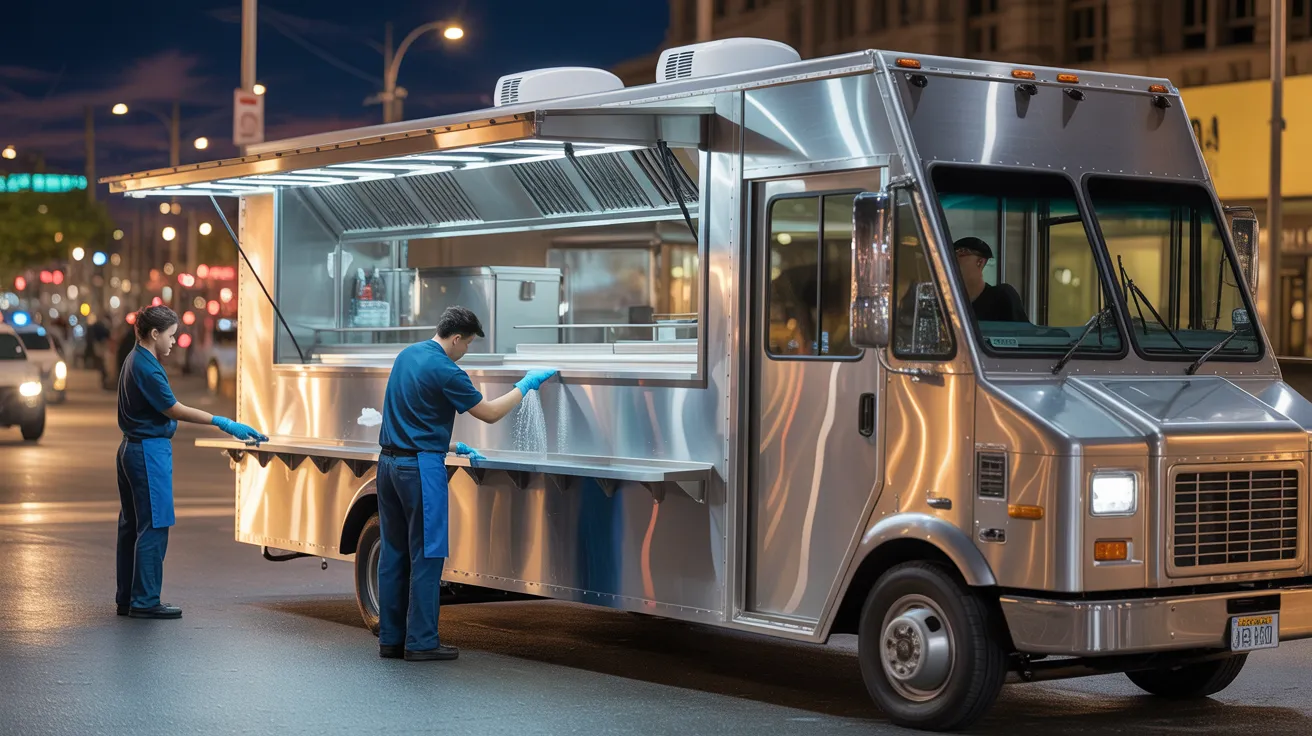
Compliant food safety cleaning is furthermore essential in storage warehouses, production plants, freezer facilities, bakeries, school nutrition services, reception halls, and meal delivery centers. Portable and seasonal operations count as well, including food trucks, event vendors, and temporary stalls. Your venue must have established hygiene procedures should your staff work with ingredients, section finished dishes, heat items, or keep allergens organized. In Brampton, food safety stays discretionary; it comprises legal, operational, and consumer protection compliance.
What Services Do Brampton Cleaning Experts Provide?
Professional cleaning services specializing in Brampton sanitize touched surfaces, kitchen facilities, ground surfaces, and sanitary facilities in compliance with food safety regulations. Focus on these locations stems from extreme cross-contamination risk, potential for accidents, and possible regulatory violations.
Understanding their cleaning procedures allows you to confirm your operation's sanitation satisfies operational demands and regulatory compliance.
Disinfecting High-Touch Areas
organize cleaning intervals based on activity levels, infection risk, and how the space is used.
Preventing contamination spread via replacing cleaning materials, following sequential workflows, and dividing cleaning tools according to section maintains your cleaning plan stays documented, defensible, and audit-prepared.
Cooking Zones, Walking Surfaces, and Restroom Environments
Professional cleaners in Brampton prioritize kitchens, floors, and restrooms given that each location involves specific food safety, falling hazards, and health code requirements. In industrial kitchens, you need grease removal from cooking stations, appliance surfaces, drain systems, preparation areas, and backsplashes to reduce contamination and pest pressure.
Professional floor care with documentation is also included. is also provided as part of the service.
For restroom sanitation, cleaners disinfect touchpoints, fixtures, partitions, dispensers, and waste containers, then refill items and eliminate smells. They also service restaurant moprooms, where chemical storage, sink hygiene, and drainage conditions can affect sanitation compliance and staff safety daily.
The Importance of Food Safety Cleaning in Brampton
To comply with health code requirements and pass inspections, Brampton establishments must follow appropriate cleaning protocols. You also minimize bacterial spread through proper cleaning of food-preparation surfaces, appliances, and frequently-touched items. Most importantly, you help protect community wellness by reducing the chance of food poisoning in your establishment.
Regulatory Code Requirements
Since Brampton food businesses must follow rigorous sanitary regulations, your sanitation practices directly determines your competence to adhere to health codes, protect diners, and avoid regulatory penalties. You must maintain sanitary food-contact surfaces, written maintenance records, proper chemical use, and traceable training practices that correspond to municipal and provincial inspection expectations.
Quality sanitation practices assists in controlling allergens by limiting particles buildup on common tools and commonly contacted zones.
Contamination Prevention
Maintaining health code standards copyrights on your power to stop cross-contamination during everyday food preparation and sanitation. You need to partition uncooked items from finished dishes, sterilize work zones between assignments, and position cleaning agents away from food surfaces. Explicit protocols lower contamination threats and reinforce steady regulatory adherence.
You should establish allergen separation to keep priority allergens from contacting common work areas, storage bins, or tools. Employ separate boards, labeled implements, and careful equipment identification so staff don't mix items during preparation or service. Mandate washing hands following uncooked proteins, shellfish, egg items, or allergen products. Replace wiping cloths regularly, and verify sanitizer strength with test strips. When you train staff to follow jump in these controls each work period, you create a cleaner, safer operation that meets Brampton's food safety expectations daily.
Public Health Protection
Should cleaning standards collapse, you don't simply encounter inspection problems—you expand the odds of foodborne illness impacting customers, staff, and the wider Brampton population. You also weaken your role in safeguarding community wellness, especially in busy food facilities where contamination can spread quickly through surfaces, equipment, and touchpoints.
You must implement cleaning procedures that remove soils, effectively sanitize, and verify results. This involves maintaining contact periods, utilizing authorized sanitizers, recording schedules, and coaching staff to meet health-unit expectations. These actions support disease prevention by reducing microbes before affecting food surfaces or hands. In Brampton, robust sanitation shields vulnerable populations, curtails outbreak likelihood, and demonstrates accountability. When you adhere to proper protocols, you go beyond regulations—you meaningfully lower danger and promote secure food service throughout the city.
How Does Cleaning Support Food Safety Compliance?
Following rigorous cleaning routines improves food safety compliance by decreasing contamination threats, preventing pathogen multiplication, and keeping your facility aligned with sanitation requirements under HACCP-based programs and public health regulations. You ensure that product-contact areas stay visibly clean and microbiologically controlled, enabling documented preventive controls and inspection readiness.
Cleaning efforts additionally bolster allergen mitigation by eliminating residues that can cause undeclared allergen exposure.
How Ought You Plan Commercial Cleaning Work?
daily regular cleaning
Plan your periodic cleaning from standard cleaning
How Do You Choose Brampton Cleaning Experts?
Evaluate providers first by food-safe sanitation requirements rather than cost. You must ensure each provider understands CFIA, public health, and HACCP-aligned expectations for your business. Request insurance proof, WHMIS compliance, staff training documentation, and supervision methods. Check technician understanding of cross-contamination risks, chemical handling, and documented sanitation practices.
You should further examine service consistency and accountability. Request testimonials from Brampton food businesses, then review reply speed, corrective-action procedures, and communication protocols. Validate the company facilitates supplier audits and can present inspection-ready documentation to regulators or external parties. Confirm equipment receives maintenance, color-coded implements are applied correctly, and site-specific hazards are identified. A qualified provider ensures regulatory compliance, product quality, and your brand reputation.
Which elements are part of a Food Safety Cleaning Plan?
Document a plan that outlines every sanitation activity, guideline, and role before starting production. You should include cleaning frequencies, approved chemicals, dilution rates, contact times, tools, and verification methods for each zone, surface, and piece of equipment. Ensure you include pre-operational inspections, corrective actions, and employee training requirements.
Your plan should also focus on cross-contamination controls, waste handling, pest-prevention measures, and documented schedules for rest areas, drains, flooring, and food-contact surfaces. Detail how you'll keep raw and ready-to-eat processes separate, facilitate ingredient tracking, and ensure accurate allergen labeling through validated cleaning between product changes. You should set accountability, keep signed records, and review results against regulatory standards, HACCP controls, and customer requirements. When gaps appear, modify procedures immediately and instruct staff.
Popular Inquired Inquiries
Can sanitation providers accommodate overnight shifts in Brampton facilities?
Yes, you can book sanitation coverage to support overnight shifts in Brampton facilities. You'll coordinate nighttime cleaning around operational windows, access requirements, and staffing levels. Providers generally create overnight logistics to reduce interruption, stay compliant, and record finished tasks. You should confirm arrival schedules, management, lockout protocols, and waste management before starting service.
Do sanitation professionals offer emergency spill response services?
Yes, you can find many Brampton cleaning experts who provide emergency spill response services. They manage hazardous materials, evaluate dangers, isolate affected areas, and start rapid decontamination to minimize risk and avoid operational disruption. You should confirm response times, training certifications, PPE protocols, and waste management. If your facility must comply with industry standards, select a service that documents incidents, follows compliant standards, and supports audit readiness.
Can eco-friendly disinfectants be utilized safely on food preparation areas?
In essence, green disinfectants function safely for food preparation areas provided you source products labeled food safe that comply with compliance requirements. Confirm contact times, mixing proportions, and rinse procedures in advance of use. Botanical formulations minimize chemical burden, although you should obtain proof of efficacy against harmful bacteria. For maintaining surfaces without residue, stick to precise manufacturer instructions and verify the cleaning agent meets food industry regulations.
Can cleaning plans be tailored for seasonal shifts?
Absolutely, cleaning plans enable modification for production fluctuations. Adapt intervals, labor allocation, sanitizers, and validation steps to match seasonal workflows while upholding regulatory requirements. Minimize production downtime through timing cleaning amid line changes, high demand periods, and usage cycles. Further modify SSOPs, instruction programs, and monitoring protocols to capture temporary risks, novel allergens, or elevated soil levels. Continuous reviews keep the plan current.
Do professional cleaning services train staff on hygiene standards?
Yes, professional cleaning services typically educate your team on sanitation best practices. You receive employee instruction on proper chemical use, exposure periods, cross-contamination prevention, machine breakdown, and documentation. They typically align instruction with HACCP, GMP, and CFIA or local public health regulations. Many perform sanitation audits to confirm adherence, spot deficiencies, and reinforce corrective actions. This helps you sustain uniform processes, succeed in audits, and minimize contamination hazards regularly.
Summary
Through engaging Brampton food safety and commercial cleaning experts, you accomplish much beyond organizing—you keep your operation prepared for audits and your standards meet requirements. From production floors to kitchens, all clean areas and organized zones reduce contamination risks and prevent significant costs. Through booking service on suitable timelines and sticking to a solid cleaning plan, you ensure protection for your team, your patrons, and your good name. Within strict regulatory frameworks, proper sanitation cannot be considered optional—they are fundamental to success.